Planning flatbed hire in Maidstone
Hiring a flatbed or dropside in Maidstone usually comes down to a simple pairing: the materials on the deck and the place the vehicle will stop when you arrive. Fencing panels for a back garden on a residential street, pallets of blocks for an extension and scaffold tube for a commercial job each point to a different body, deck length and unloading plan. This page helps you narrow the choice before you speak to a hire provider.
Open-bed vehicles are popular because you can load from the sides and rear, carry awkward lengths and watch the load while you strap it. Those benefits come with conditions. The vehicle you are allocated sets the real payload and dimensions, your licence sets what you may drive, and the council, landowner or site manager decides where you may park and unload. Treat each as a separate check.
Match the deck to the materials, not the headline size
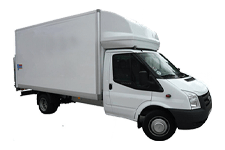
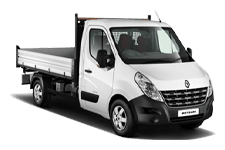
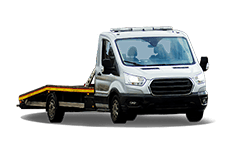
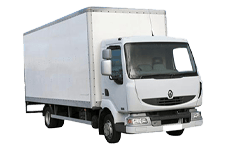
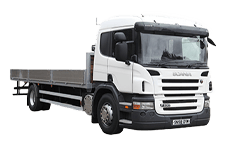
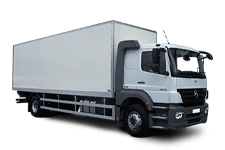
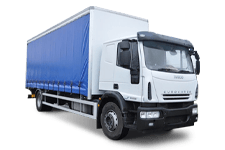
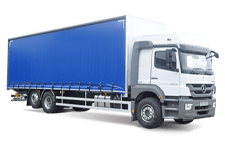
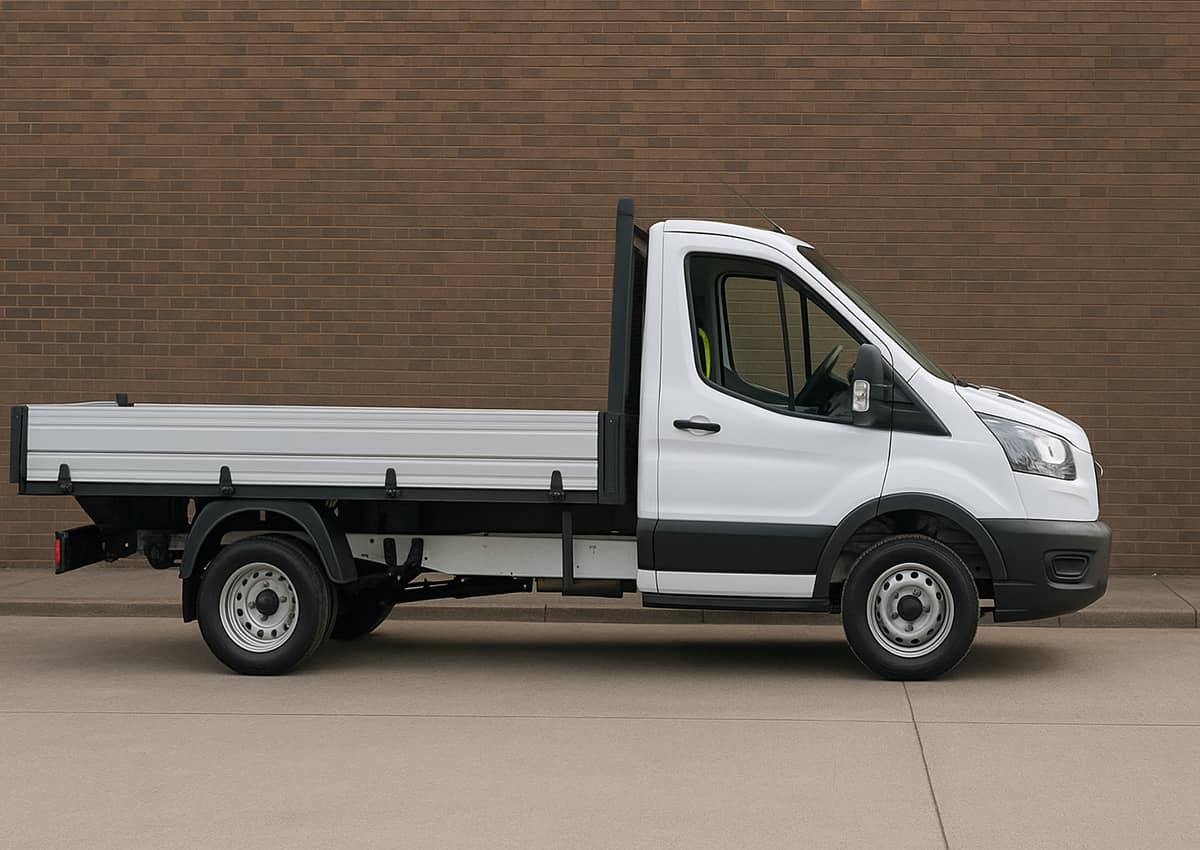
Dropside categories are usually described by bed length: around three metres for a compact van-based dropside, around four metres for a longer deck, and roughly six metres on a 7.5 tonne lorry. Start with your longest item and your heaviest combined load, then check both against the vehicle actually offered. A three metre bed suits bagged materials, a pallet or two and shorter timber. Four metres gives room for longer lengths with less overhang. The lorry makes sense for several pallets, scaffolding or machinery when the driver, route and destination suit it.
Published figures for any category are representative. A compact dropside may be advertised with a payload of around 1,100 kg, but the figure that matters belongs to the unit you collect. Ask for its payload, internal bed width and side height in writing, and plan conservatively if anything is unclear.
Sources: Nationwide Hire UK: 3 metre dropside, Nationwide Hire UK: 4 metre dropside, Nationwide Hire UK: 7.5 tonne dropside
Gross weight, payload and the licence you hold
Maximum authorised mass, often called gross vehicle weight, is the most the vehicle may weigh fully loaded, and it is normally shown on the plate or sticker. Payload is what remains once the vehicle itself, driver, passengers, pallets and packaging are accounted for. A 3.5 tonne dropside does not carry 3.5 tonnes of materials. Wet timber and damp sand weigh more than you expect, so estimate honestly and use a weighbridge if you may be close.
Licence entitlement follows the plated maximum authorised mass. A category B licence generally covers vehicles up to 3.5 tonnes, while vehicles above that and up to 7.5 tonnes need C1. Check whether every named driver holds C1 before booking a lorry, and expect providers to set their own age and experience conditions. Spread weight so no axle is overloaded, including after partial drops.
Sources: GOV.UK: vehicle weights explained, GOV.UK: driving licence categories, DVSA: HGV overloading basics
Tail lifts help, but carry their own rating
A dropside with a tail lift can make pallets or wheeled equipment far easier to handle where there is no forklift or loading bay. The benefit depends on the lift's rated capacity, its platform size and whether a pallet truck can be used safely on it. None of those equal the vehicle's payload: the deck may carry far more in total than the lift can raise in one go.
Ask for both figures, the platform dimensions and the operating instructions before choosing this option. Then consider the ground at the far end. A lift needs firm, level standing and clear space behind the vehicle, and a pallet truck needs a smooth surface. A sloping drive or gravel yard can remove most of the advantage.
Sources: Nationwide Hire UK: dropside with tail lift, HSE: safe loading and unloading
Maidstone permit zones: business and contractor permission differ
Maidstone Borough Council's business permits allow parking in residents' bays on roads within the permit's zone, and its guidance refers to vehicles weighing under 3.5 tonnes. It does not say how that weight is measured or exactly where the boundary sits, so do not assume a 3.5 tonne dropside qualifies. Ask the council in writing how your vehicle would be treated.
Contractors working at a property inside a permit zone have a separate contractor permit route, and a permit held by your customer should not be treated as cover for a hired truck. Arrange the right permission before collection, then check street signs on the day.
Height barriers and choosing where to stop
Open-bed vehicles can be taller than drivers expect once the cab, headboard and any load above the cab line are counted. The Medway Street car park in Maidstone has a two-metre height barrier, so compare it with the allocated vehicle's full external height plus anything loaded high. That limit is specific to Medway Street; check other car parks individually.
A car park barrier is not a delivery entrance, and a parking space is not an unloading area. Agree a specific stopping place with the customer, site or landowner where the vehicle can stand level, sides can drop without blocking a footway, and people can be kept clear.
Sources: Maidstone Council: car park constraints, HSE: safe loading and unloading
Securing the load and loading from the side
The driver must make sure the load is safely loaded, secured for the journey and safely unloaded, using a method that suits the actual load and vehicle. Weight and friction alone will not hold it under braking. Check the platform, sides, headboard and anchorage points first, and attach rated straps to proper anchor points, never rope hooks or sheeting fixings. Ask whether straps come with the hire or bring your own rated equipment.
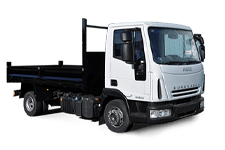
Side loading is a major reason to choose a dropside, but it needs care. Lower one side at a time on level ground, keep clear of the hinge line, and latch every side before moving. Place heavier items low, centred and against the headboard. If timber or pipe will project beyond the body, measure the overhang and check the current official rules on marking and notice before travelling.
Sources: DVSA: securing loads on HGVs and goods vehicles, DVSA: load securing basics, DVSA: ways to secure a load, DVSA and DfT: overhanging loads on vehicles
Unloading safely at the other end
Plan unloading as carefully as loading. The area should be clear and as level as possible, with the vehicle standing stably and the handbrake on. Agree beforehand who will receive the goods, what equipment they will use and where everyone will stand. At a house, that may mean moving cars off the drive and keeping children and pets indoors; on a site, follow the site's traffic arrangements.
Before releasing straps, look for anything that shifted in transit, because a moved load can fall once restraint comes off. Unload in an order that keeps the remaining goods balanced, and on multi-drop runs restrap after each stop.
Sources: HSE: safe loading and unloading, DVSA: securing loads on HGVs and goods vehicles
Hire conditions to confirm before you collect
Every hire company sets its own terms, and the ones you sign are the ones that apply. Before paying, confirm the vehicle category and its payload, named drivers, licence and age rules, insurance and excess, mileage, fuel arrangements and how damage to an open bed is assessed. Ask whether carrying waste or using the vehicle for business changes anything.
At collection, photograph the deck, sides, hinges, lights and any tail lift, and record existing marks on the paperwork. Report a faulty latch or anchor point before loading rather than working around it.
Sources: Third-party reference: Nationwide Hire UK terms and conditions